LinkedIn Learning Price vs 9 Free Alternatives That Actually Work (2026 Guide)
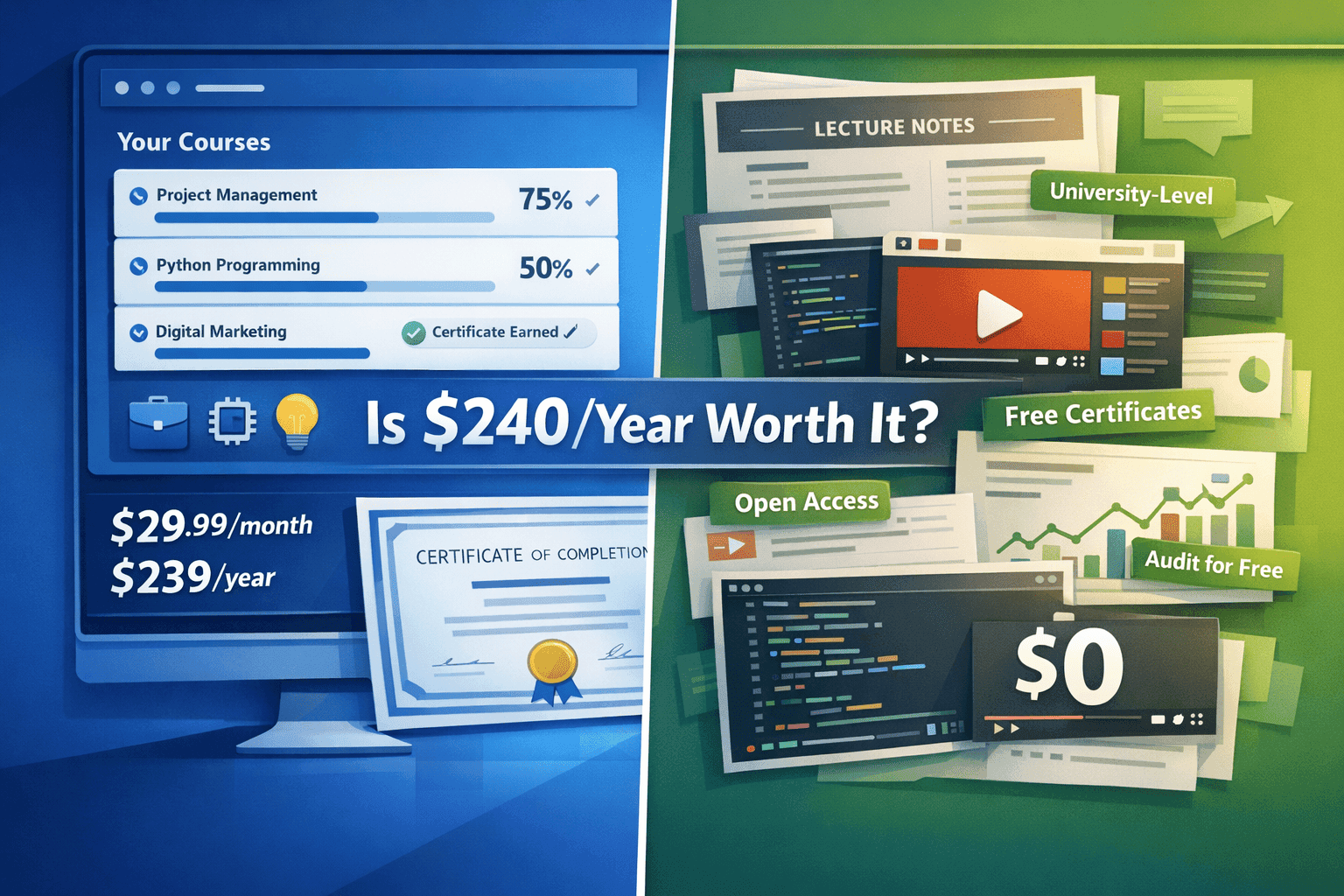
You're probably paying $29.99/month for LinkedIn Learning. But here's the thing some of the best professional development happens outside premium platforms. I've spent the last six months testing free alternatives, and the results might surprise you.
LinkedIn auto-engagement tools help you build your professional presence, but building actual skills? That's where strategic learning comes in.
TLDR
- LinkedIn Learning costs $29.99/month or $239.88/year for individual plans
- Khan Academy, MIT OpenCourseWare, and Coursera offer high-quality alternatives for free
- YouTube Learning and edX provide specialized business and tech courses
- Free platforms often lack completion certificates but offer deeper, university-level content
- Mix free learning with selective paid courses for maximum value
LinkedIn Learning Pricing Breakdown
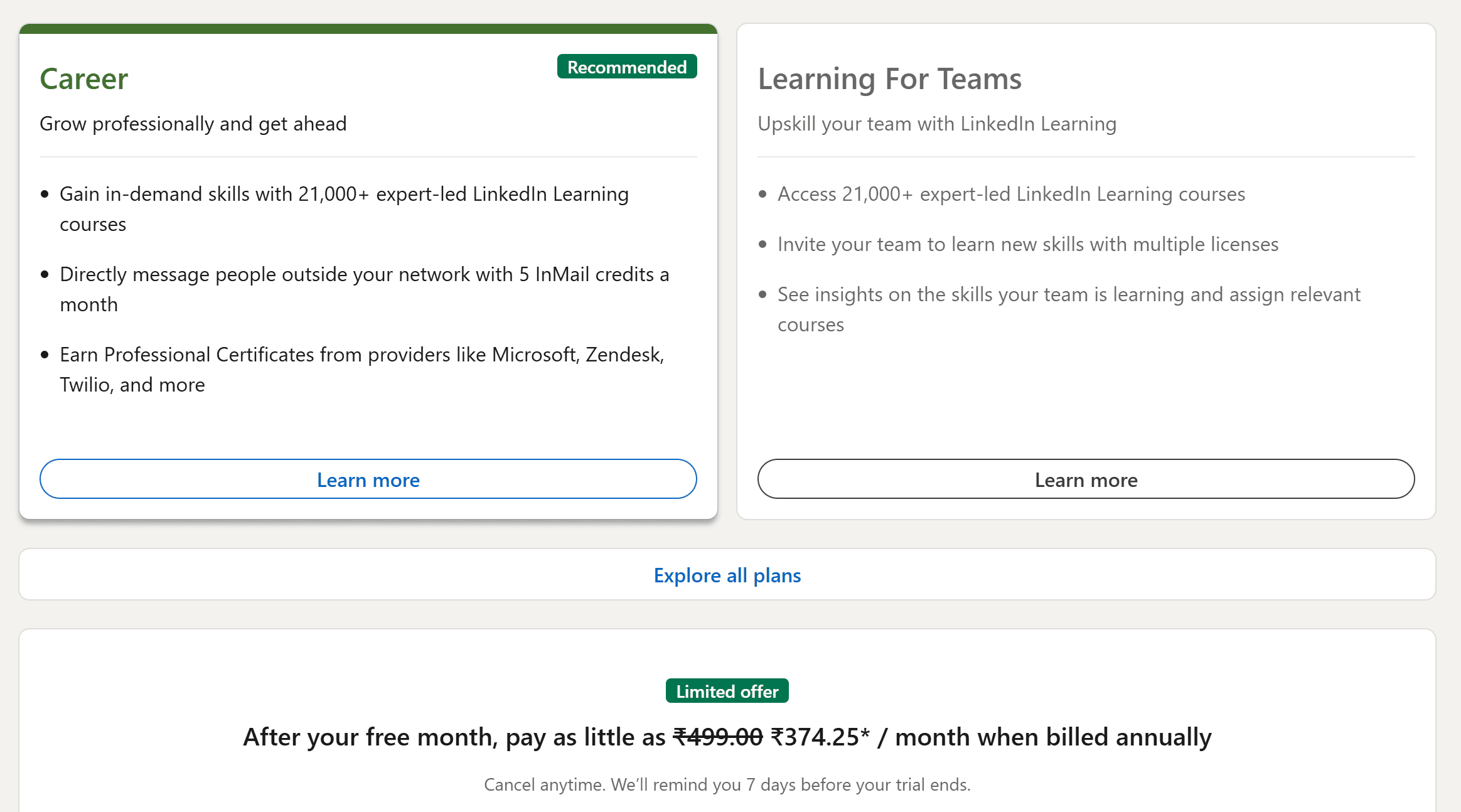
Let's start with what you're actually paying for LinkedIn Learning in 2026:
Individual Plans:
- Monthly: $29.99/month
- Annual: $239.88/year (saves you $120)
LinkedIn Premium bundled:
- Premium Career: $59.99/month (includes Learning)
- Premium Business: $59.99/month
Enterprise pricing starts around $300+ per user annually, but that varies by team size.
What You Get for That Price
LinkedIn Learning gives you access to over 20,000 courses covering business, technology, and creative skills. The platform tracks your progress, provides completion certificates, and integrates with your LinkedIn profile.
But is it worth nearly $240 per year?
9 Free Alternatives That Compete
1. Khan Academy – Best for Fundamental Skills
Khan Academy isn't just for high school math anymore. Their economics, finance, and entrepreneurship courses rival paid platforms.
Strengths:
- Completely free, no premium tiers
- Excellent foundational business and economics content
- Interactive exercises and progress tracking
- Mobile-optimized for learning on the go
Perfect for: Building solid fundamentals in finance, economics, and analytical thinking.
2. MIT OpenCourseWare – University-Level Business Education
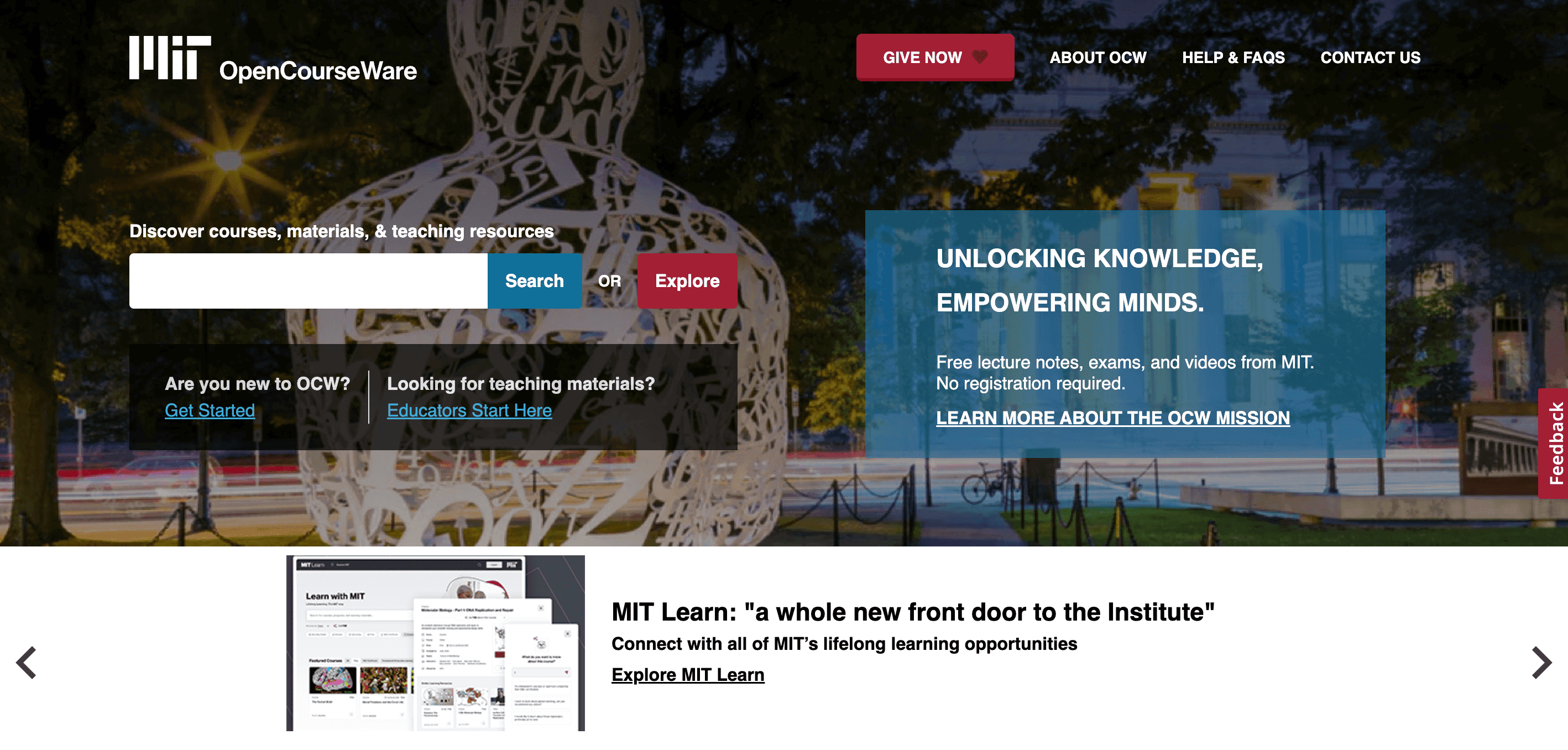
MIT publishes actual course materials from their $80,000+ MBA program. For free.
What you get:
- Complete syllabi from MIT Sloan courses
- Lecture notes and assignments
- Case studies from real MIT classes
- No video lectures, but comprehensive written materials
Best courses: Strategic Management, Innovation and Entrepreneurship, Financial Management.
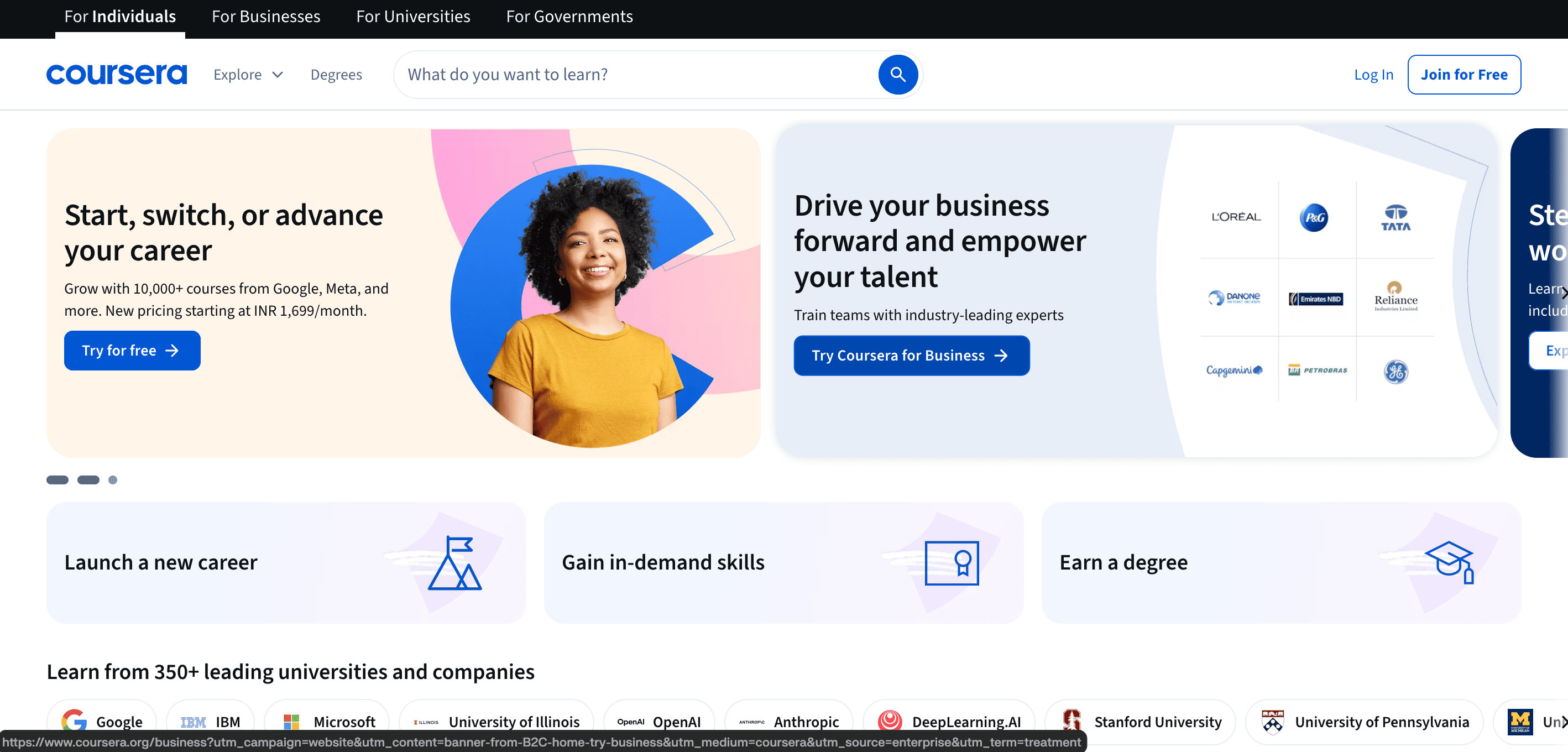
3. Coursera Audit Track – Ivy League Content
Here's a secret: You can audit most Coursera courses for free. Skip the certificate, keep the knowledge.
Free access includes:
- Full video lectures from Yale, Stanford, and Wharton
- Reading materials and resources
- Peer discussion forums
- Everything except graded assignments and certificates
Top business courses: Yale's Financial Markets, Stanford's Machine Learning, Wharton's Marketing.
4. edX – Harvard and MIT Collaboration
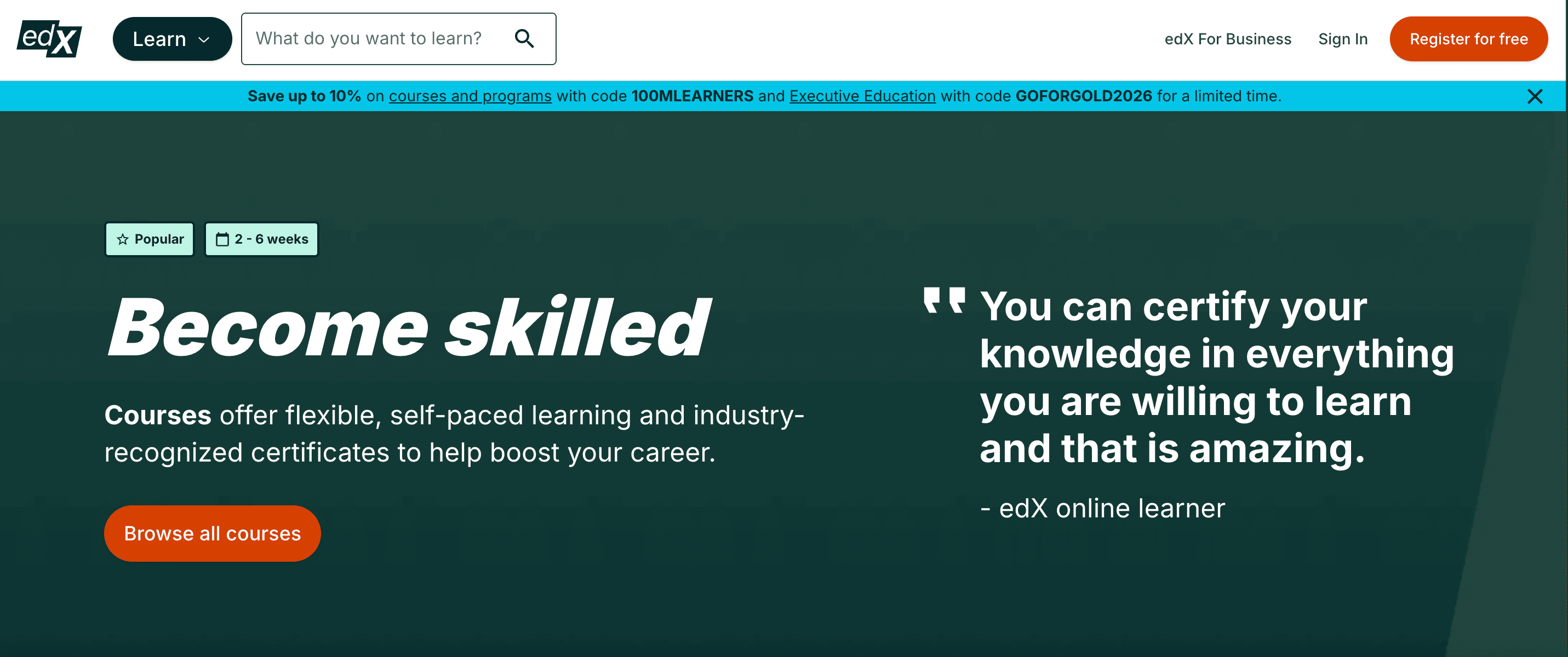
Like Coursera, edX offers audit tracks for free. The difference? More technical and business-focused content.
Standout features:
- Harvard Business School case studies
- MIT's computer science and data analysis courses
- Self-paced learning
- Mobile app with offline downloads
5. YouTube Learning Playlists
Don't sleep on YouTube. Channels like Gary Vaynerchuk, Harvard Business Review, and Stanford Graduate School of Business post full lectures.
Hidden gems:
- Stanford's "Entrepreneurship" lecture series
- Google's Digital Marketing courses
- Harvard Business Review's case study breakdowns
- Y Combinator's "How to Start a Startup"
6. Codecademy (Free Tier) – Technical Skills
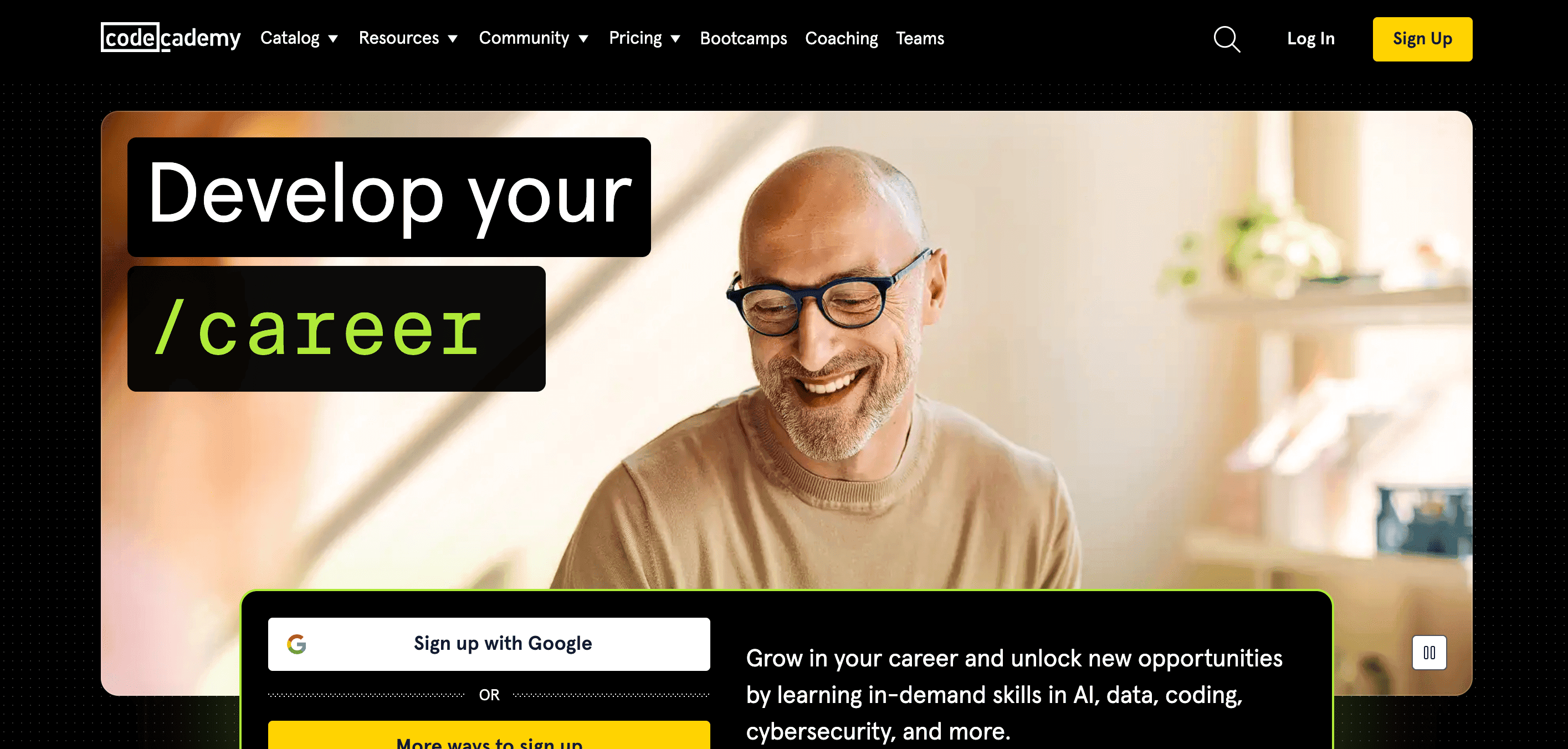
For data analysis, programming, and digital marketing skills, Codecademy's free tier covers the basics.
Free content includes:
- HTML, CSS, JavaScript fundamentals
- Python for data analysis
- SQL for business analysts
- Basic digital marketing concepts
7. Google Digital Garage
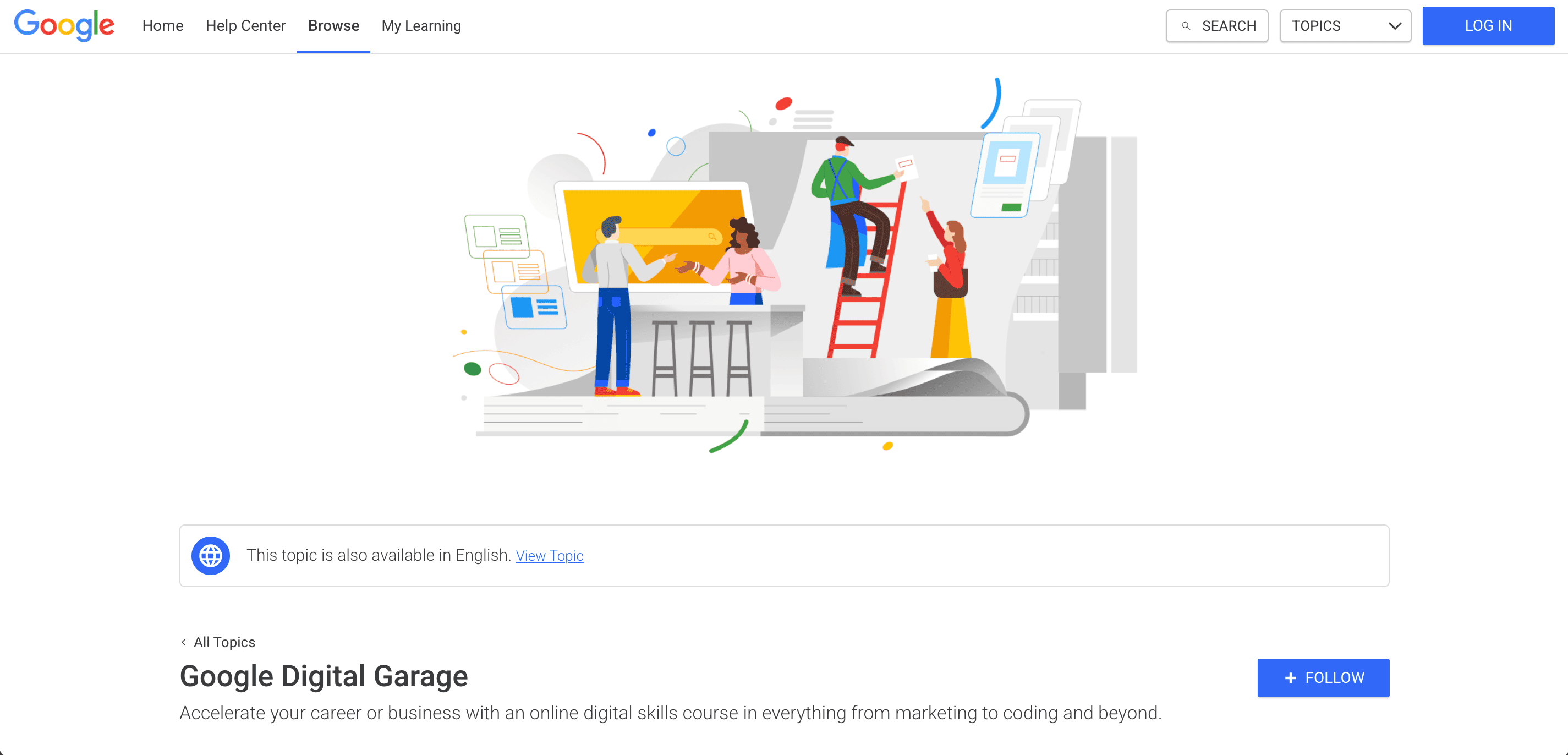
Google's free certification platform focuses on digital marketing, data analytics, and cloud computing.
Certificates available:
- Google Analytics
- Google Ads
- Digital Marketing fundamentals
- Data and Tech literacy
Major advantage: Google credentials carry weight with employers, especially in tech and marketing.
8. Udemy Free Courses
Udemy has over 2,000 completely free courses. Quality varies, but some instructors use free courses as lead magnets for premium content.
Search strategy: Filter by "Free" and sort by highest rated. Look for courses with 10,000+ students and 4.5+ ratings.
9. FreeCodeCamp
Primarily known for coding, FreeCodeCamp now offers business and data analysis tracks.
Business-relevant content:
- Data analysis with Python
- Information security principles
- Quality assurance methodologies
- Responsive web design (valuable for entrepreneurs)
Feature Comparison: Free vs LinkedIn Learning
| Feature | LinkedIn Learning | Free Alternatives |
|---|---|---|
| Course variety | 20,000+ courses | Unlimited content |
| Video quality | Professional | Varies (YouTube) to Professional (edX) |
| Progress tracking | Built-in | Limited/manual |
| Certificates | Professional certificates | Academic certificates (edX/Coursera) |
| Mobile learning | Excellent app | Varies by platform |
| Offline downloads | Yes | Limited |
| Industry recognition | Moderate | High (university courses) |
| Instructor quality | Varies | University professors |
| Community features | Limited | Strong (forums, GitHub) |
The Real Cost Comparison
LinkedIn Learning annual cost: $240 Free alternatives annual cost: $0 Opportunity cost of your time: Priceless
But here's what the numbers don't tell you. Free courses often require more self-discipline. No progress tracking means you need to create your own accountability system.
Social listening tools can help you track industry conversations and identify skill gaps, making your learning more targeted.
When LinkedIn Learning Wins
I'm not completely anti-LinkedIn Learning. It excels in these scenarios:
Corporate training: If your company pays, it's obviously worth it. The business skills courses integrate well with existing LinkedIn profiles.
Convenience factor: All content in one place, consistent video quality, and seamless mobile experience.
Completion certificates: For career advancement where HR departments recognize LinkedIn certificates.
Time-poor professionals: When you need structured learning paths without research time.
My Hybrid Learning Strategy
Here's what actually works in 2026:
Foundation (Free): Start with university courses on edX or Coursera for deep understanding.
Practical skills (Mix): Use YouTube for quick tutorials, supplement with selective paid courses for specialized tools.
Networking (LinkedIn Learning): Take 1-2 courses annually that display on your LinkedIn profile, especially if they're trending in your industry.
Continuous learning: Set up LinkedIn automation tools to engage with thought leaders and identify emerging skills worth learning.
This approach costs under $100 annually versus $240 for LinkedIn Learning alone.
FAQ: LinkedIn Learning Alternatives
Can I get certificates from free courses?
Yes, but selectively. Coursera and edX offer verified certificates for $50-100. Google Digital Garage provides free certificates. MIT OpenCourseWare doesn't offer certificates, but the knowledge depth often exceeds paid platforms.
Are free courses actually comprehensive?
University courses on edX and Coursera are often more comprehensive than LinkedIn Learning equivalents. You're getting actual semester-long courses, not condensed "professional development" versions.
How do I stay motivated without paid platform features?
Create artificial deadlines. Join online study groups. Use LinkedIn engagement tools to share your learning progress publicly – social accountability works.
Which platform has the best business content?
For strategy and theory: MIT OpenCourseWare and Harvard Business School cases on edX. For practical skills: YouTube Learning and Google Digital Garage. For comprehensive programs: Coursera's audit tracks.
Your Next Steps
Stop paying $240 annually by default. Here's your action plan:
Week 1: Audit your current LinkedIn Learning usage. What courses did you actually complete last quarter?
Week 2: Try one free alternative for a skill you need. Start with Google Digital Garage for marketing or edX for business fundamentals.
Week 3: Cancel LinkedIn Learning if you haven't used it actively in 90 days.
Week 4: Create a learning calendar mixing free university courses with selective paid content.
The best professional development investment isn't always the most expensive. Sometimes it's the most strategic.
.png&w=3840&q=75)